Trigger and sync
CKP and CMP operation validated in vehicle, including engine synchronisation for sequential fuel strategy.
Standalone engine ECU for custom engine management, motorsport projects and advanced vehicle conversions.
Built around an STM32F407 MCU running at 168 MHz, with OEM-style wiring practice and production-focused installer documentation.
Real VasfEFI S2 unit mounted in enclosure, with OEM-style connector interface and service-side hardware details. Click any image to open it larger.
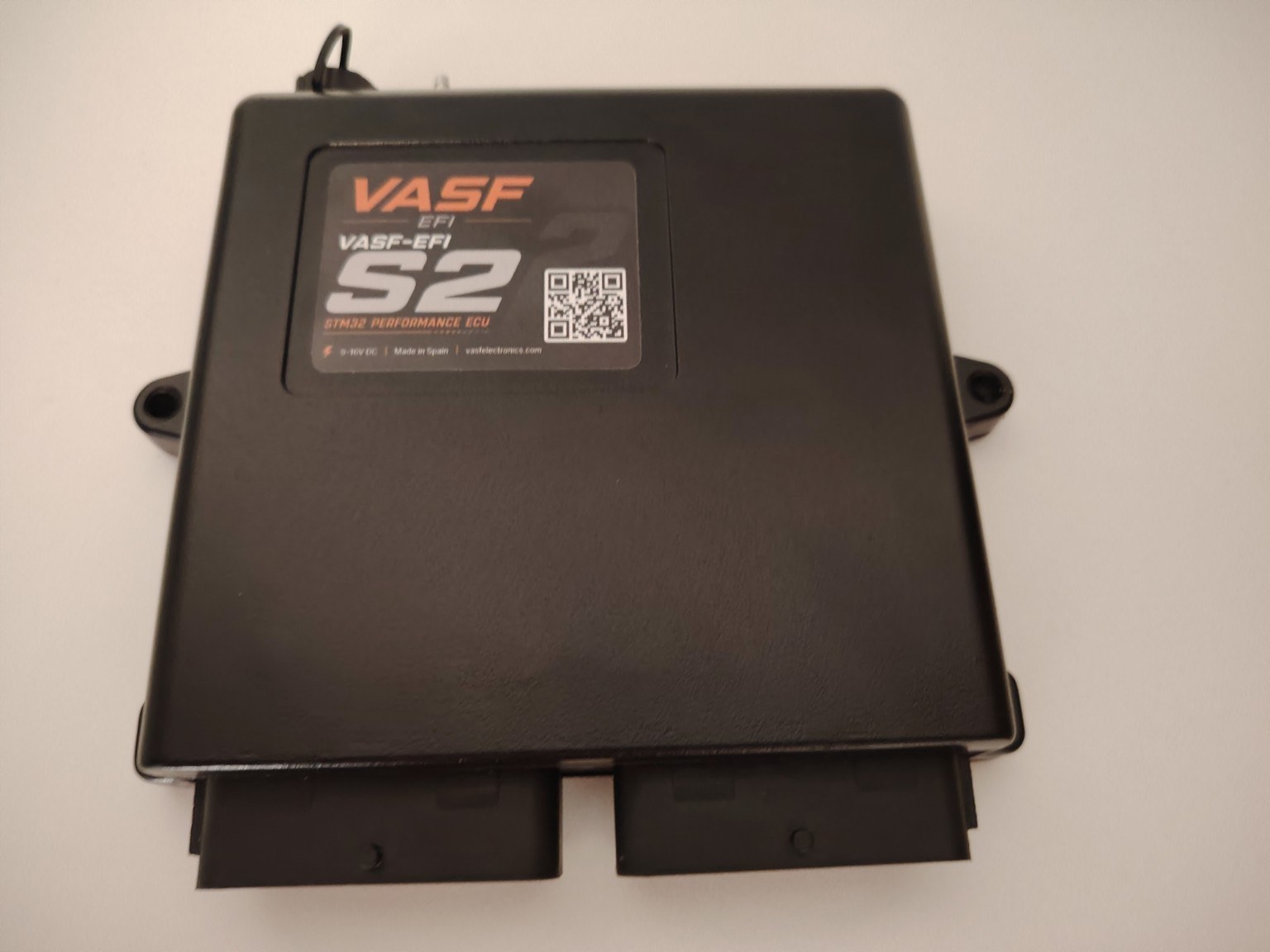
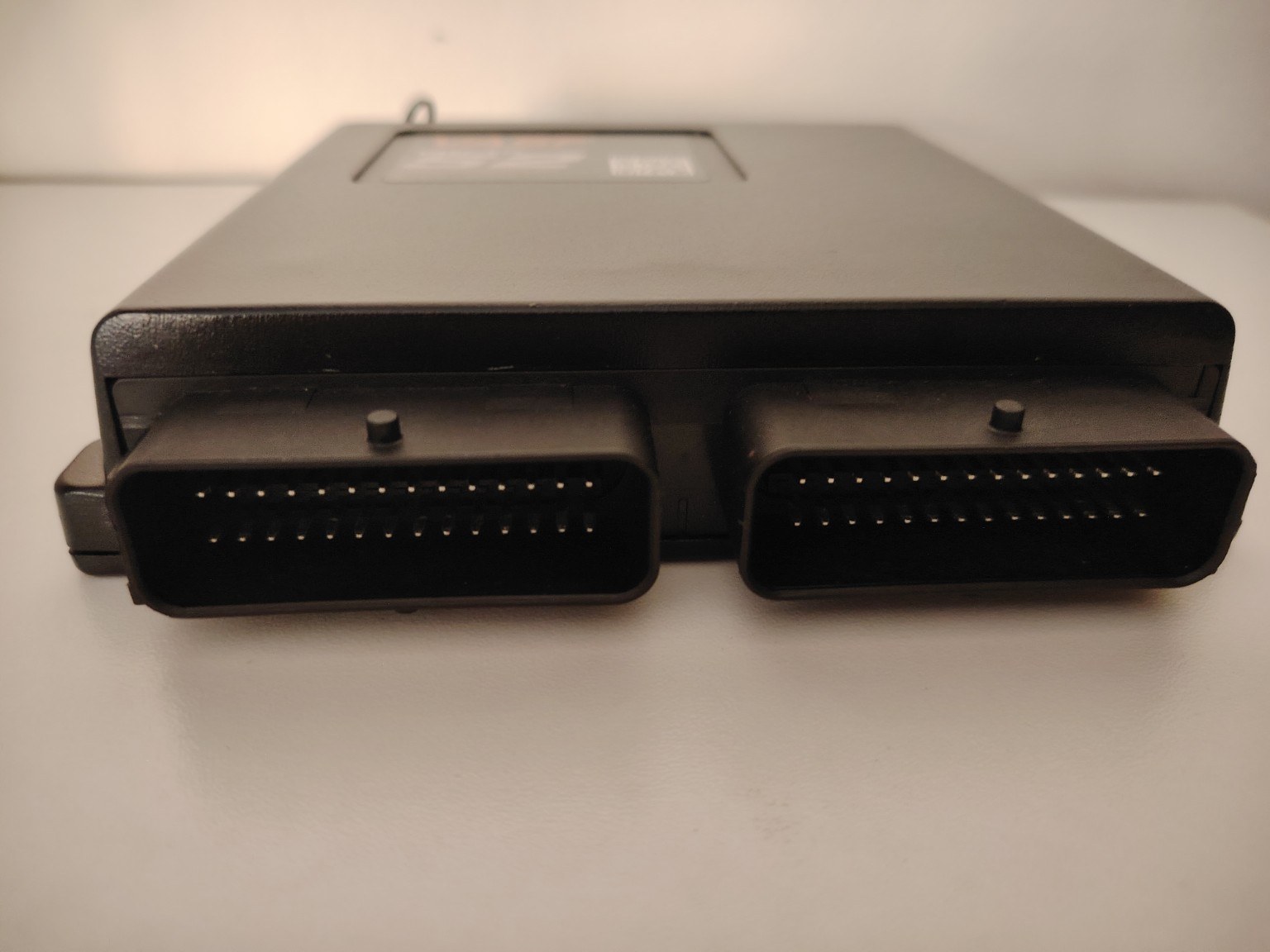
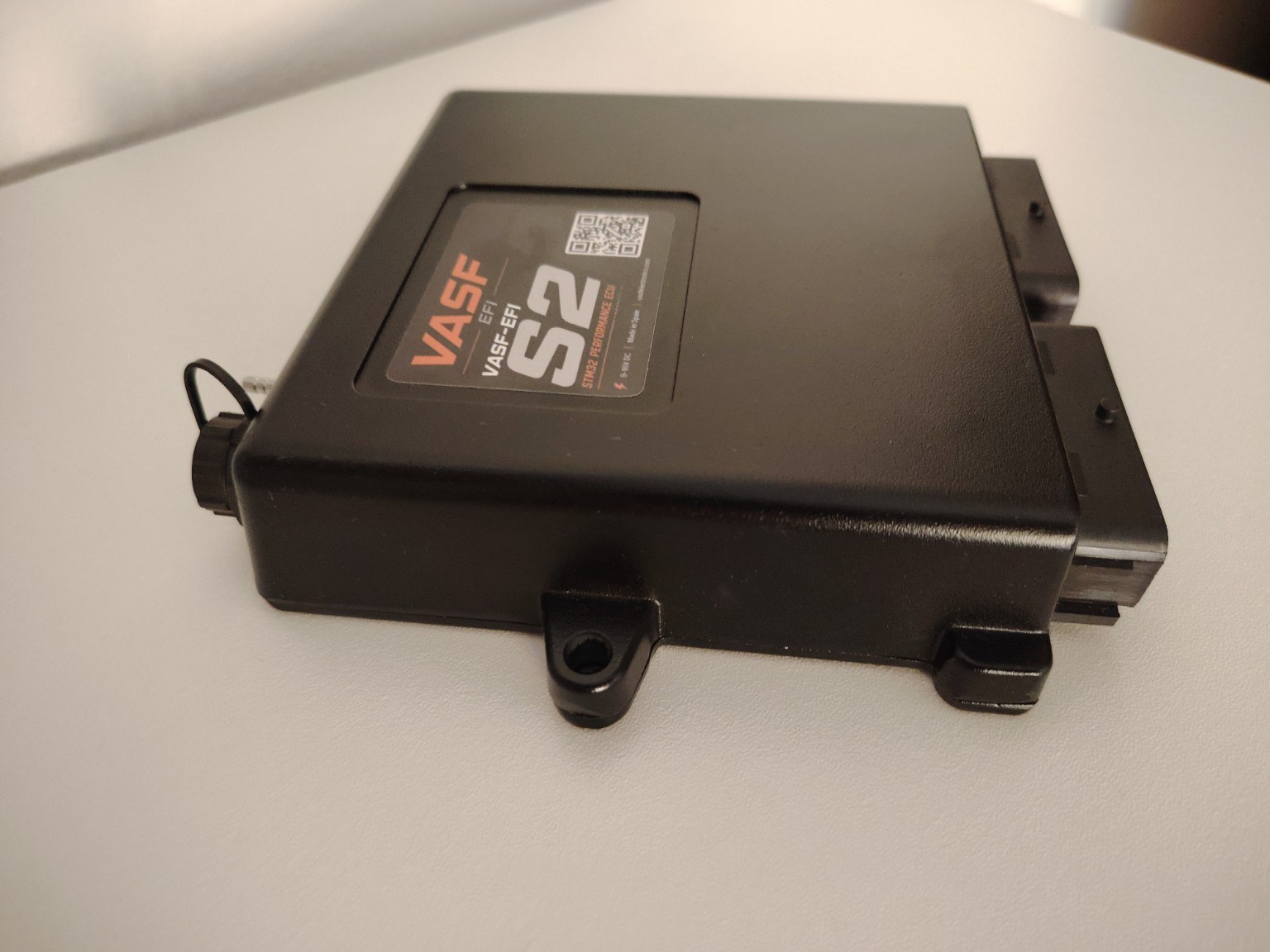
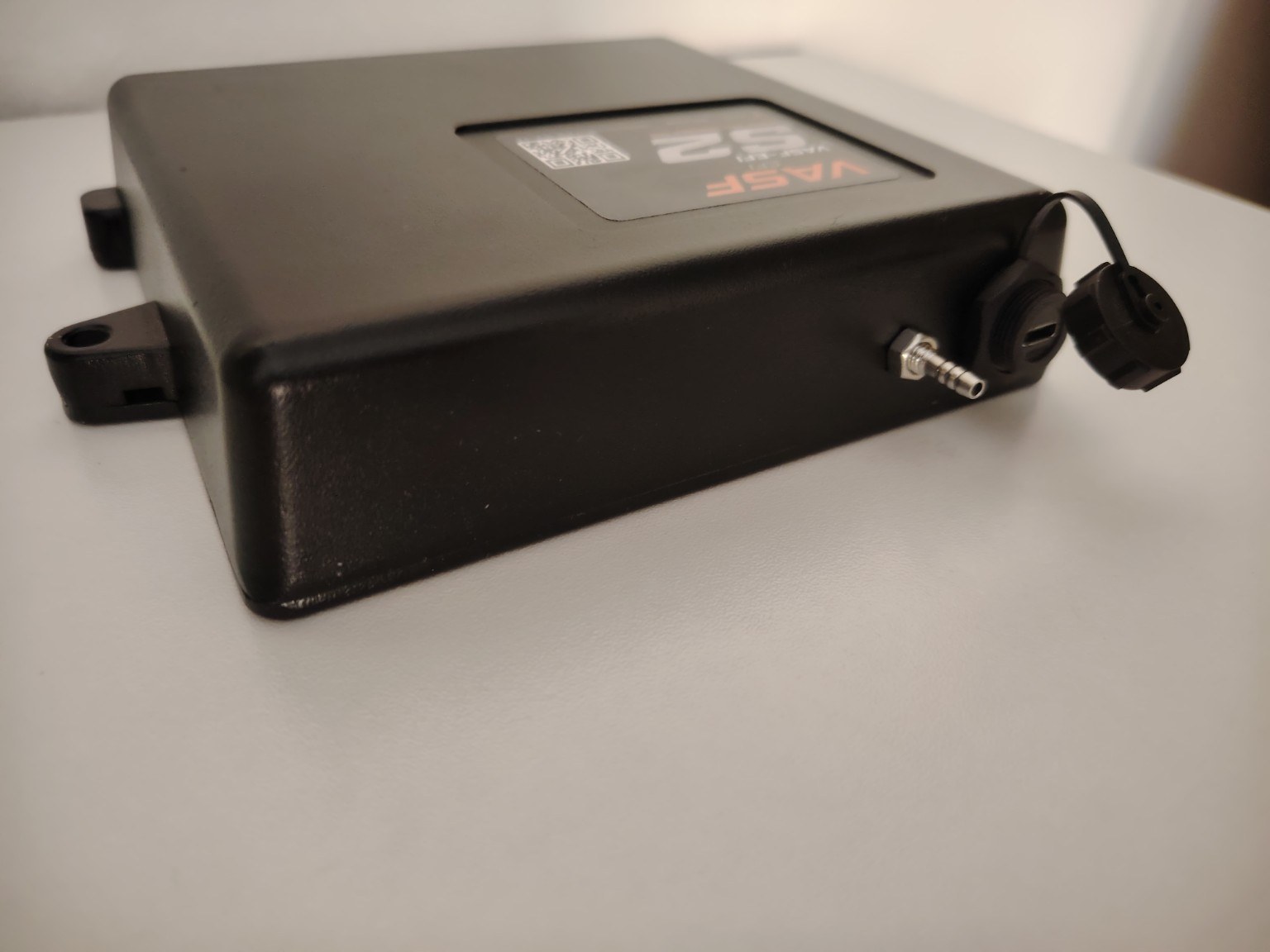
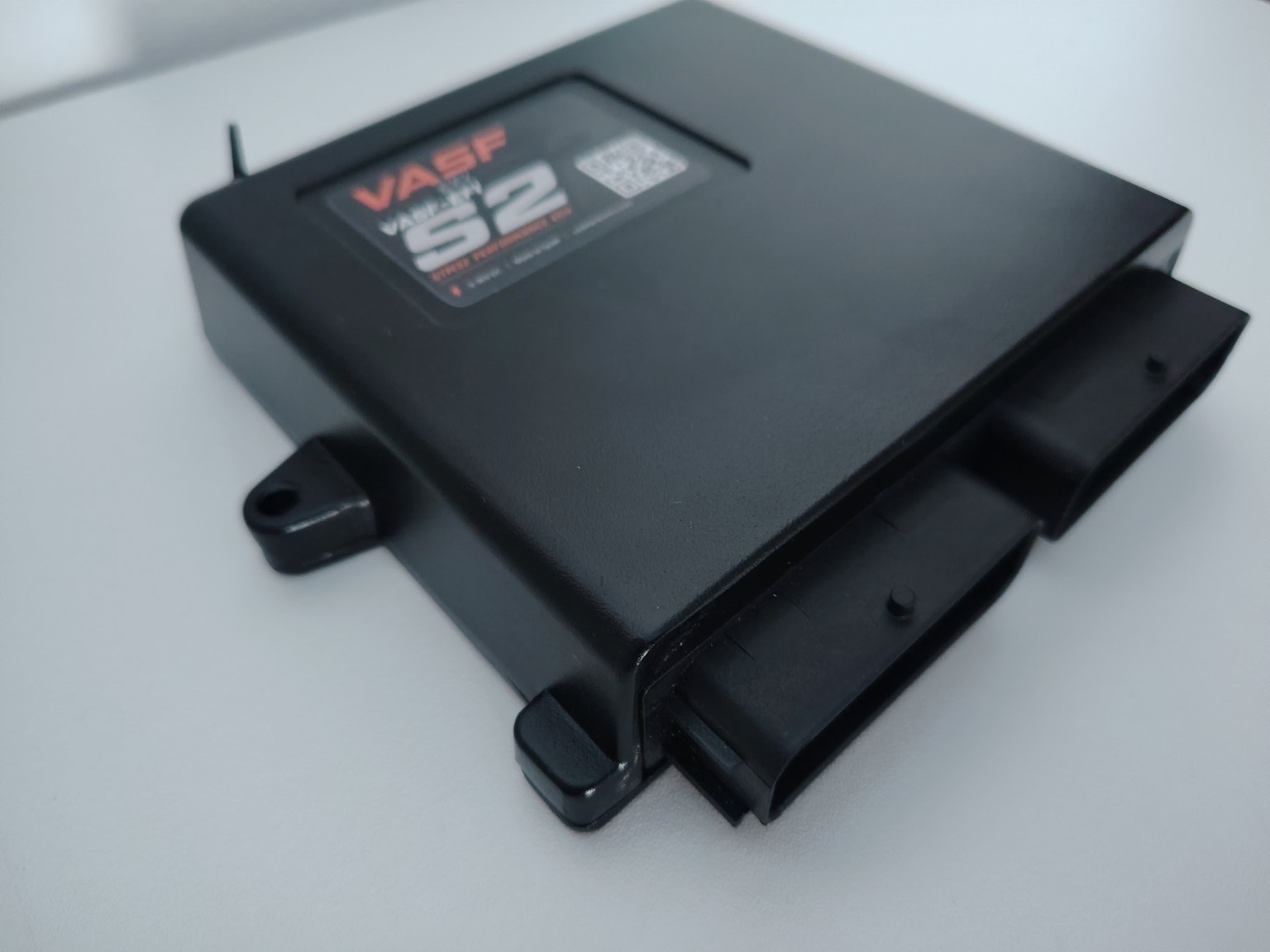
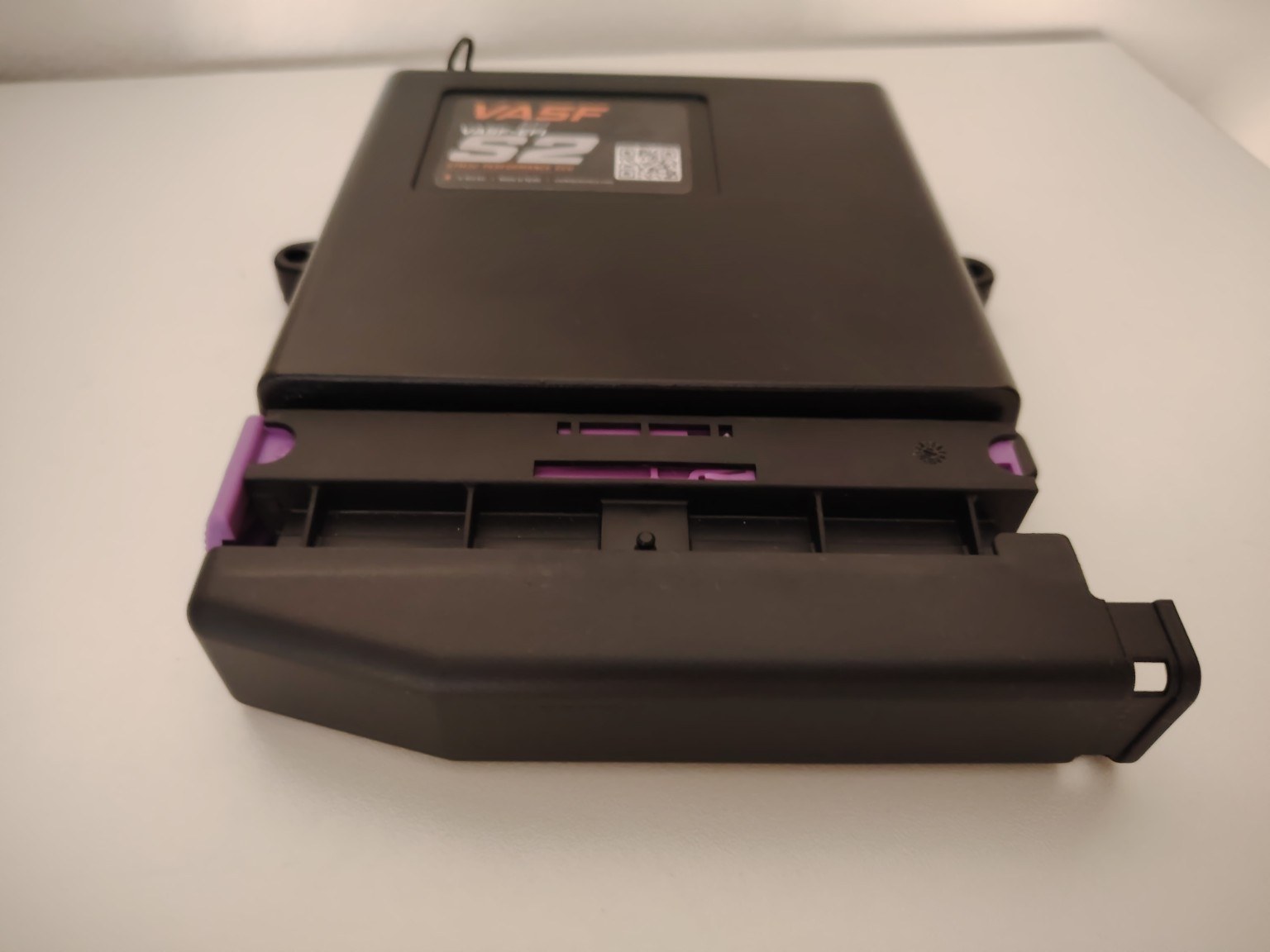
VasfEFI S2 is not only a bench prototype. The platform has been validated on a real Hyundai test vehicle with crank and cam synchronisation, sequential operating mode, CAN communication and live ECU operation through the VasfEFI software ecosystem.
CKP and CMP operation validated in vehicle, including engine synchronisation for sequential fuel strategy.
Sequential mode tested on the vehicle platform, with injector and ignition control prepared for real engine operation.
CAN bus operation validated, including dashboard / RealDash-oriented data broadcast support.
OEM-style 56-pin connector, documented pinout, wiring diagram, filtered sensor supply and separated sensor/power grounds.
VasfEFI S2 is designed for sequential fuel injection, smart ignition coil control, boost control, idle control, fan control, launch/clutch input, auxiliary outputs, CAN dashboard data and external sensor integration.
The ECU uses an OEM-style 56-pin connector and separates sensor grounds, power grounds and filtered 5 V sensor supply rails for cleaner installation practice.
VasfEFI S2 is quoted by configuration, so a bare standalone ECU is not mixed with a kit, a wideband option or a vehicle-specific PnP package.
ECU unit for custom projects where the installer builds the harness, selects sensors and performs the complete calibration.
ECU with selected connector, wiring and accessories prepared for a new installation. Wideband and extra modules are specified separately.
Adapter or interface prepared for a confirmed vehicle pinout, with base map preparation and project-specific documentation.
Vehicle-specific package with direct support for first start, log review and initial correction before final calibration.
RealDash configuration: Classic CAN 2.0A, 500 kbit/s, standard 11-bit IDs, little-endian frames 0x600–0x606.